Skip to content
- Deep plowing so that the eggs of painted bugs are destroyed
- Early sowing is needed to avoid pest attack
- Irrigate the crop for four weeks after sowing to reduce pest attack
- Spray thiamethoxam 25 % WP(evident/Areva) @ 300 gm/acre or
- Spray Acephate 75%SP (remain) or
- Spray Bifenthrin ( klintop/marker) @ 300 ml/acre
Share
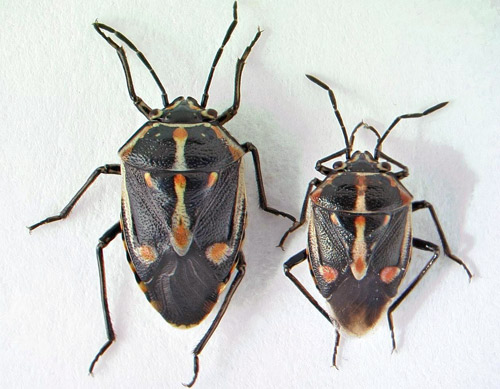
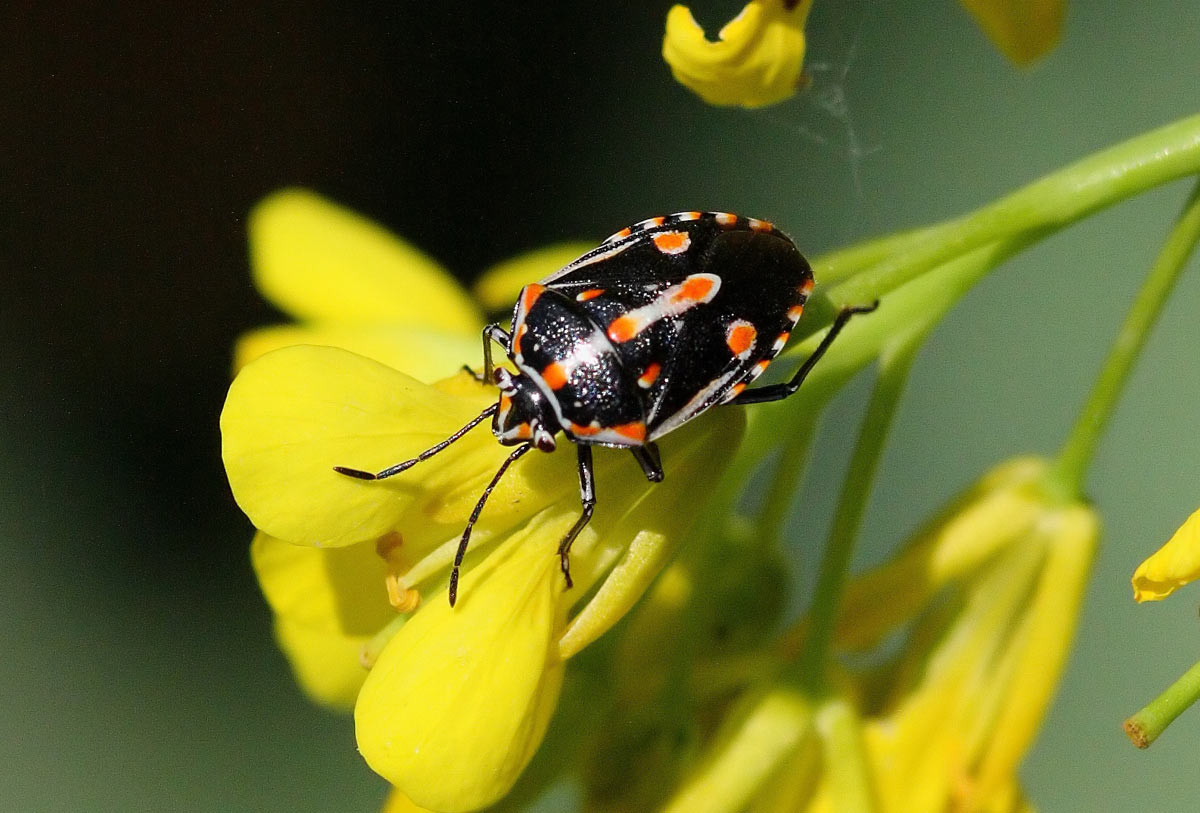
- A bug is black in color with red and yellow lines
- Young plants wilt and wither as a result of the attack
- Both the nymph and adult suck the sap of leaves and tender stems resulting in poor growth and pale yellow color of the leaves.
- In a later stage, the insects suck the sap of the pods with the result both quantity and quality of seed are adversely affected.
Share
- Apply FYM before 15 days of transplanting in the main field.
- At the time of transplanting, use Calcium Nitrate @ 10 KG/ acre.
- Twice spray of calcium EDTA @ 150 Gm/acre at the time of appear deficiency symptoms.
Share
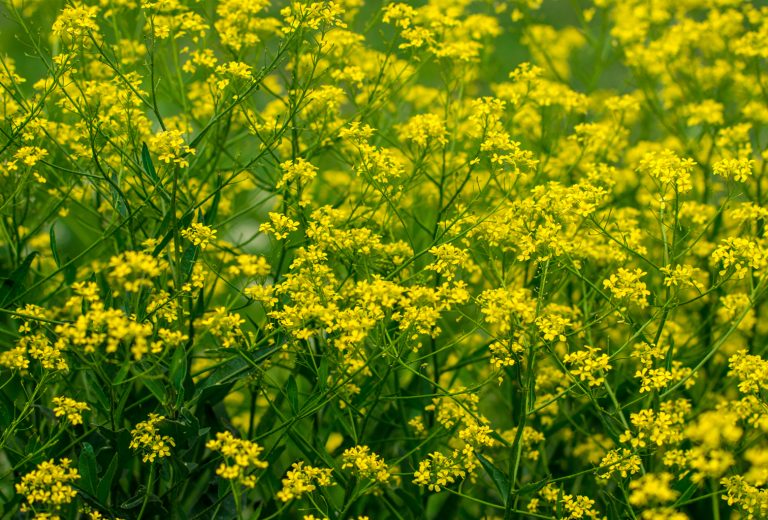
- The flowering stage is important in mustard crops.
- In this stage, it is beneficial to increase the number of flowers and give hormones at the time of growth of pods.
- For this, spraying of Homobrassinolide 0.04% @ 100 ml / acre with 19:19:19 @ 1 kg per acre.s
Share
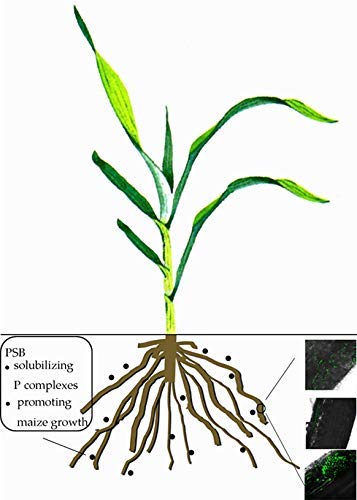
- Increase micronutrient availability to plant from the soil like Mn, Mg, Fe, Mo, B, Zn and Cu in addition to P2O5.
- Encourage faster root growth for water and nutrient uptake.
- PSB produces organic acids like malic, succinic, fumaric, citric, tartaric acid and acetic acid which fasten the P2O5 uptake, maturity and increase yield.
- Increase resistance towards diseases and drought tolerance due to rapid cell development in the plants.
- Reduce 25 – 30% phosphatic fertilizer requirement.
Share
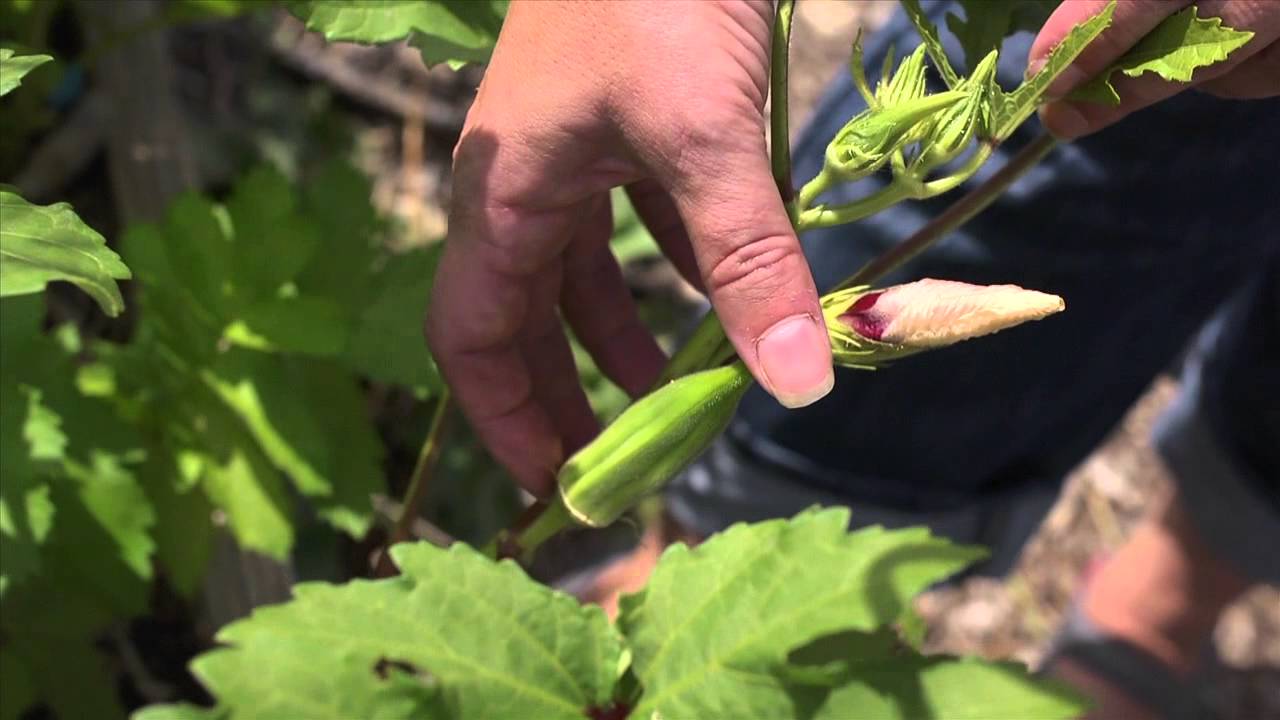
- To take more picking in Bhindi crop 2 weeks before sowing, mix the FYM in the field equal to 10 tons/acre in the field, thereby increasing the absorbing capacity of the nutrients in the plant.
- At the time of sowing, mix nitrogen-fixing and phosphorus solubilizing bacteria with fertilizers in the field at the rate of 2 kg/acre.
- Give the quantity of nitrogen (60-80 kg per acre) at the time of sowing and half quantity remaining 30 days after sowing, thereby increasing the number of fruits per branch per vinegar and it can be increased by 50% production.
- Approximately 40 to 50 days after the sowing of the okra starts to give fruits.
- Before the first picking, gives calcium nitrate + boron @ 10 kg/acre, 10 kg magnesium sulphate 10 kg/acre + Urea @ 25 kg/acre with Nitrogen Fixation and Phosphorus Solublizing bacteria @ 1kg/acre.
- During flowering in okra give Ammonium sulfate at the rate of 55-70 kg/acre, it is important for the development of the fruits.
Share
- It can be cultivated in loamy loam, loam, and heavy soil.
- Deep plowing should be done.
- Remove the remains of the previous crop from the field.
- After plowing, add organic manure to the soil.
- The first deep plowing soil should be from a plow.
- After this, plow with a plow and cultivator 2 to 3 times.
- Now make the soil brittle and the field flat by running the Pata.
Share
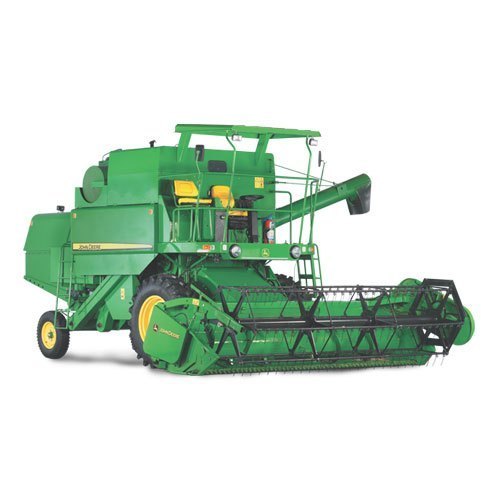
- The Madhya Pradesh government has decided to give subsidies to farmers for purchasing combine harvesters from this year.
- Subsidy amount given to farmers on agricultural equipment has also been increased.
- The Madhya Pradesh government will now provide a subsidy of 50 percent of the price on the purchase of agricultural implements to small, marginal, scheduled-caste, scheduled-tribe and women farmers and 40 percent subsidy on the cost to other farmers.
- For more information about this news icon, you can contact us at https://dbt.mpdage.org/Eng_Index.aspx .
Share
- When most of the pod is yellow, then gram must be harvested.
- When the plant dries, and the leaves turn reddish-brown, and the leaves begin to fall, the crop is ready for harvesting.
- Due to delay in the crop drying and harvesting for a long time, the pods start falling, which reduces yield, so harvesting should be done if the gram has moisture up to about 15 percent.
Share
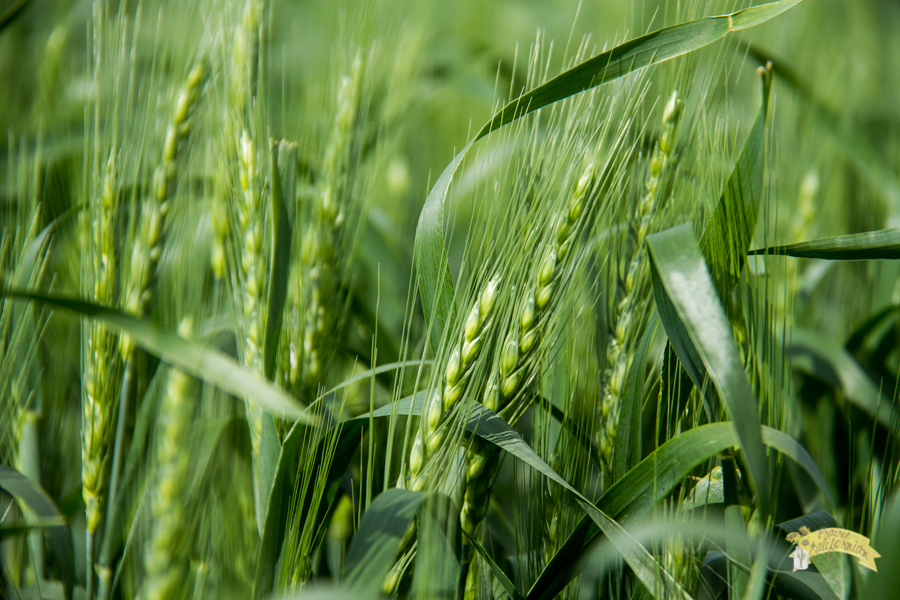
- In wheat crop, the stage of filing the grain or milking stage is very important.
- At this stage, grains are filled inside the spick. At this time, irrigation is very important.
- Along with for good growth of the grain, spraying of homobrassinolide 0.04% @ 100 ml with 00:52:34 @ 1 kg / acre should be done.
- Urea @ 40 kg and micronutrients @ 8 kg / acre should be given as the third installment of fertilizers.
Share